How Gutter Problems Can Lead to Winter Foundation Damage
How Gutter Problems Create Foundation Damage in York Homes: What Homeowners Miss
Most homeowners think about gutters in terms of the roof. Clogged gutters cause water to back up under shingles. Gutters that pull away from the fascia drip down the siding. That's real, and it's worth fixing.
What gets missed more often is the other end of the problem: what happens to the soil around the foundation when gutters fail to move water far enough away from the house. In York's climate, that failure doesn't stay dormant through winter. It compounds.
Golden Rule Contractors works on roofing and gutter systems throughout York and surrounding Nebraska communities. The connection between gutter condition and foundation health is one that comes up regularly in the fall inspection work we do.
How gutters are supposed to work
A properly functioning gutter system collects water running off the roof and channels it to downspouts, which discharge it away from the foundation. The discharge point matters. Water released at the foundation wall or within a foot of it is not being managed, it's just being redirected slightly before it soaks into the soil adjacent to the foundation.
The basic requirement is that downspouts discharge at least four to six feet from the foundation. Buried drain lines that carry water well away from the house are better. The goal in both cases is to prevent water from pooling against the foundation walls and saturating the soil adjacent to the footings.
When gutters are clogged, damaged, misaligned, or disconnected, the water that should be going to downspouts overflows or bypasses the system entirely. All of it ends up at the foundation.
What happens to York foundations in winter when drainage fails
Nebraska's freeze-thaw cycles are the mechanism that converts poor drainage into foundation damage. Saturated soil adjacent to a foundation wall freezes when temperatures drop. Frozen water expands. That expansion pushes against the foundation.
This process called frost heave, creates lateral pressure against foundation walls that they weren't designed to absorb. Over multiple cycles across a single winter, or repeated over several years, the cumulative pressure can crack poured concrete walls, shift block foundations, and compromise the mortar joints that hold block foundations together.
In York, where winters are serious and the soil holds moisture well, this isn't a hypothetical risk. It's a documented cause of foundation movement in homes that had drainage problems that went unaddressed for multiple seasons.
Signs the gutter system is failing
Most gutter problems give visible signs before they reach the foundation. Knowing what to look for makes it easier to catch them in the fall.
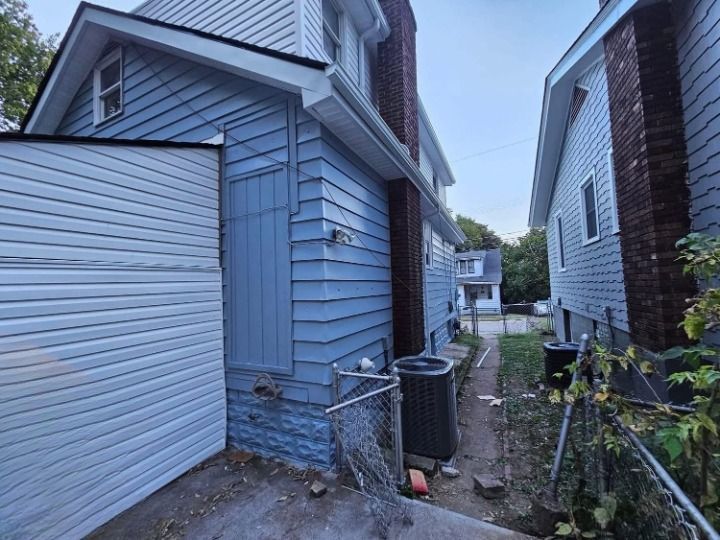
Gutters pulling away from the fascia board are a clear indicator. When the attachment hardware fails, the gutter sags, loses its slope, and holds standing water rather than draining it. Standing water in gutters attracts insects, accelerates rust in metal gutters, and eventually overflows toward the foundation.
Downspout splash patterns at the foundation wall are another sign. If you see a worn or stained area at the base of a downspout, water is discharging there rather than being carried away. Splash blocks help, but they're not a substitute for adequate discharge distance.
Water staining on the foundation wall itself, or a damp smell in the basement after heavy rain or snowmelt, indicates that water is finding its way to the foundation. That's a downstream symptom, and the gutter system is worth checking as a likely upstream cause.
What to check before winter sets in
A pre-winter gutter check in York should cover four things: clear the gutters of debris so water flows freely; confirm all downspouts are attached and discharging to a point well away from the foundation; check that gutters are properly sloped toward downspouts, not holding standing water; and look at the foundation perimeter for any signs of existing water intrusion.
If gutters are significantly damaged, have pulled away from the fascia in multiple sections, or are inadequately sized for the roof area they drain, cleaning them won't solve the problem. Undersized or failing gutters are a replacement or upgrade situation.
Golden Rule Contractors: gutter work in York
Golden Rule Contractors handles gutter repair, cleaning, and replacement for York homeowners. When gutter work is part of a broader roof inspection, we assess the whole drainage system so the solution addresses both the roof and the foundation exposure. If you're seeing signs of water near your foundation, the gutter system is a logical first place to look.
Schedule a gutter inspection in York
Contact Golden Rule Contractors for a gutter inspection or repair estimate in York, NE. We serve York and surrounding Nebraska communities.
Frequently Asked Questions
Can clogged gutters really damage my foundation in York, NE?
Yes, through a process that plays out over one or more winter seasons. Clogged or failing gutters allow water to pool adjacent to the foundation instead of being carried away. In Nebraska's freeze-thaw climate, that saturated soil freezes and expands, creating lateral pressure against foundation walls. Over multiple cycles, this can crack poured concrete, shift block foundations, and cause water infiltration in basements. The connection between gutter condition and foundation health is real and well-documented.
How far should my downspouts discharge from the foundation in York?
The general recommendation is a minimum of four to six feet from the foundation wall. Many York homes with inadequate drainage have downspouts that discharge directly at the foundation or use a splash block that only moves water a foot or two. Extending downspouts with above-ground extensions or buried drain lines that carry water further from the house significantly reduces the moisture load on the soil adjacent to the foundation. This is one of the lower-cost changes that has a meaningful impact.
What are the signs my gutters are causing foundation problems in York?
Look for water staining on the exterior foundation wall, damp or musty conditions in the basement after rain or snowmelt, and erosion or worn patches in the soil at the base of downspouts. From the gutters themselves: sagging sections holding standing water, gutters pulling away from the fascia, or downspouts that are disconnected or discharging too close to the wall. Any of these warrant a closer look at both the gutter system and the foundation for early damage.
When should I clean gutters in York before winter?
October is the practical window in York. After the majority of leaves have fallen but before temperatures are consistently below freezing. Cleaning too early, in September, means the gutters will likely fill with late-season leaf drop before winter. Waiting until late November creates a risk that gutters are already frozen or partially blocked going into the heaviest weather. A fall cleaning in October plus a check of downspout discharge points and gutter attachment covers the pre-winter basics.
Should I repair or replace my gutters before winter in York?
Repair works well for isolated issues, a section that has pulled away from the fascia, a leaking joint, a cracked downspout section. If gutters are undersized for the roof they drain, multiple sections have failed, or the system is old enough that repairs are creating recurring costs, replacement is the more economical long-term choice. Golden Rule Contractors assesses gutter condition and makes a clear recommendation on whether repair or replacement makes more sense for your specific situation.
Do gutter guards prevent the foundation damage problem in York?
Gutter guards reduce leaf accumulation and cleaning frequency, but they don't address discharge distance, which is the primary driver of foundation moisture problems. A gutter with a guard that still discharges water at the foundation wall creates the same saturated-soil problem as a clogged gutter. Guards are useful for reducing maintenance, but they're a separate question from whether the gutters are properly draining water away from the foundation. Both matter.
RECENT POSTS