What Does Your Insurance Company Need After Hail Damage in Seward, NE?
The paperwork after a hailstorm is easiest to gather in the first few days, before the hailstones melt and memories blur.
Request a free roof inspection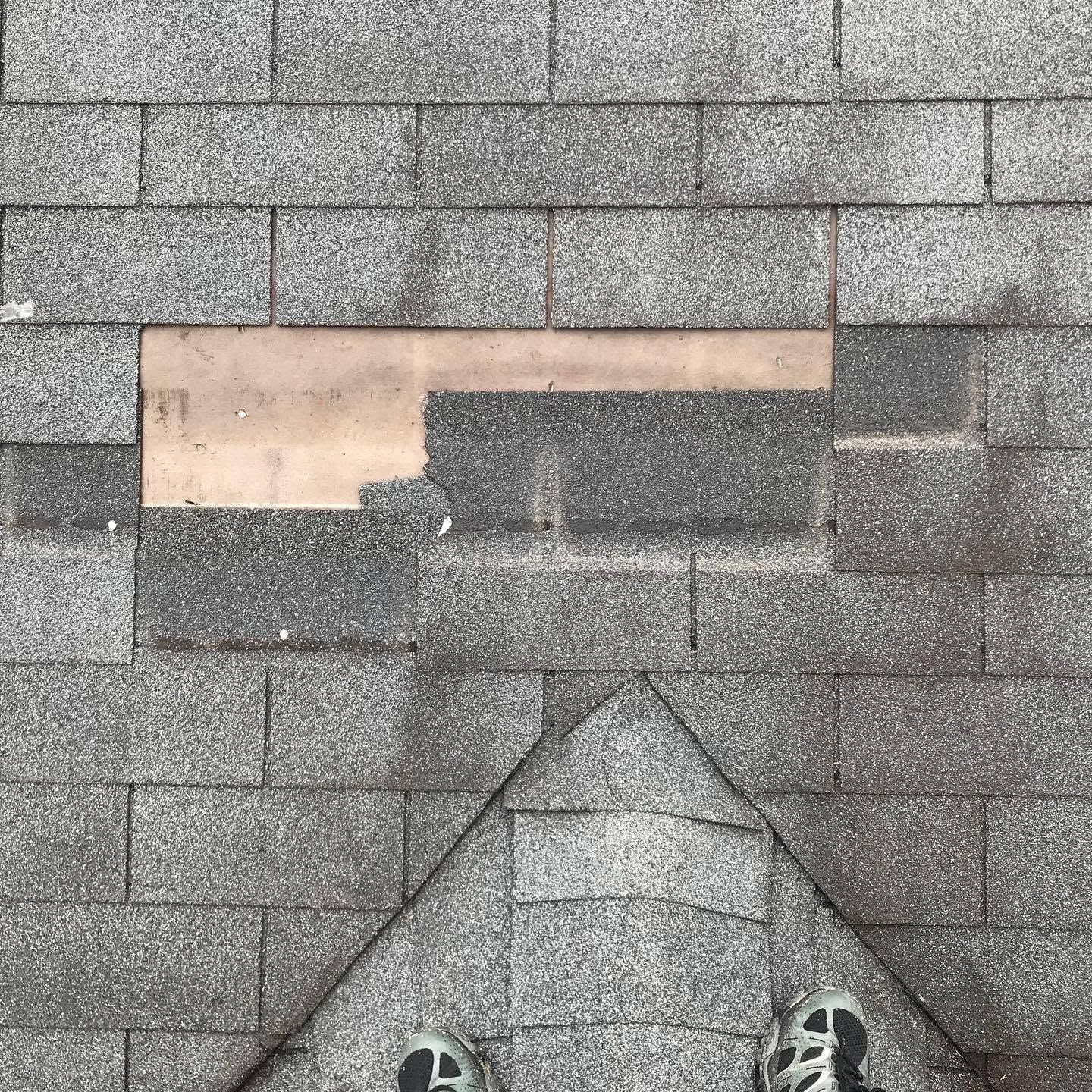
After hail damage, most insurance companies want the same basic things: the date of the storm, photos of the damage, a written damage assessment or estimate, your policy number, and proof that you took reasonable steps to keep things from getting worse. Your own policy sets the exact list, so read it or call your insurer's claims line before you file.
The first few days after the storm are when that record is easiest to build. Photos taken that afternoon, with hailstones still in the yard, say more than anything you could write down a month later.
None of it means climbing on the roof. What an insurer asks for can be gathered from the ground, from inside the house, and from a roofer's inspection.
In this guide
What to do in the first day after the storm
Start with safety, then start taking pictures. Stay off the roof. Wet shingles are slick, and hail can hide cracked or loose spots.
- Walk through the house and check ceilings, upstairs rooms, and the attic if you can get there safely. Put buckets under any drips and move belongings out of the way.
- If a window broke, tape plastic over it from inside, and only if you can reach it from the floor.
- Head outside while hail is still on the ground. Photograph a few stones next to a coin or a tape measure so their size is clear.
- Write down the date and about what time the storm hit.
- Keep receipts for anything you buy to stop more damage, like tarps, plastic, or buckets.
The documents most insurers ask for
Most insurers want proof of what happened, when it happened, and what it will take to fix. Exact requirements vary by company and policy, but a solid file usually has:
- Storm date and time. Your own note is a good start.
- Photos and video. Take wide shots of each side of the house, then close-ups of dents and broken pieces.
- A written damage assessment and estimate from a contractor who has been on the roof.
- Receipts for emergency supplies or temporary repairs.
- Your policy number and the claim number once you have one.
Small dents tell a big story
Soft metal shows hail better than shingles do. Check gutters, downspouts, roof vent caps, window screens, the fins on the air conditioner, and the mailbox. Dents there help show how big the hail was and which way it came from. Look at the siding too, especially on the side that faced the storm. Cracked or punctured panels may need siding and window repairs along with the roof.
Ask your insurer how they want everything sent: an online portal, email, or handed to the adjuster at the visit.
What can wait, and what can't
Reporting the damage shouldn't wait. Many policies set a time limit for reporting storm damage, and the longer you go, the harder it gets to tie the damage to one storm.
Stopping water from getting in can't wait either. An active leak needs a temporary cover, and most policies expect you to take reasonable steps to keep the damage from growing. Have a roofer put the tarp on rather than going up yourself.
Permanent repairs can usually wait. Insurers generally want a chance to see the damage first, so check with yours before replacing a roof, gutters, or siding. Small cosmetic dents can wait too. They still belong in your photos, though, because they help show the storm's size.
Why a roofer's damage assessment helps
A damage assessment is a written record of what a roofer found up close: how many hail hits there are on each slope, which shingles are bruised or cracked, and what flashing, vents, and gutters were damaged. Much of that can't be seen from the ground. A hail bruise is a soft spot where the shingle's protective granules have been knocked loose, and it's easy to miss without being on the roof.
A free roof inspection soon after the storm gives you photos and an estimate to keep with the rest of your file. The adjuster, the person your insurer sends to look at the damage, still makes the call on your claim. Having your own record means you know what's up there before that visit, and you can ask good questions about anything that seems to be missing.
What Golden Rule Contractors brings to a hail inspection
Golden Rule Contractors got its start after a severe storm, so hail and wind damage is where the company began. That history shows up in how carefully storm damage gets looked at, from bruised shingles to dented gutters to torn siding.
The company is experienced working with insurance companies and provides prompt, accurate damage assessments and estimates. That's the written piece most homeowners are missing after a storm. Decisions about coverage stay between you and your insurer.
The storm damage assessment itself is free, so finding out whether you even have a claim doesn't cost anything. More on the process is on the storm damage repair page.
Hail season in Seward
Storms that build over the open farm country west of Lincoln can bring hail and strong straight-line winds together, mostly in spring and early summer. Wind-driven hail hits siding and windows on the storm side of the house as hard as it hits the roof, so damage is often heavier on one side.
Seward has a mix of older homes, farmhouses on the edge of town, and newer houses. Older shingles that have lost some flexibility tend to crack under hail, while newer ones may show bruises instead. Trees can shield part of a roof and leave the rest exposed, which is why one neighbor's roof may look fine while the house next door is hit hard.
Damage that seems minor in June can get worse by spring. Hard freezes work water into cracked and bruised shingles over the winter, and a leak that wasn't there in summer may show up after the first big thaw.
Start your hail damage file today
Before the details fade, get the roof looked over by someone who will write down what they find. Phone 402-641-2214 or schedule a storm damage assessment online. For homeowners in Seward deciding who to hire after a hailstorm, Golden Rule Contractors brings storm experience and a clear, accurate written assessment to the table.
After the Hail: Common Questions
How soon after a hailstorm should I report damage?
Check your policy for the exact deadline, since reporting windows differ between insurers and policies. As a rule, report it as soon as you know there's damage. The longer you wait, the harder it can be to show the damage came from one specific storm, and small problems like bruised shingles or a slow leak can turn into bigger ones in the meantime.
Do I need a contractor's estimate before I open a claim?
Not always. Some insurers have you open the claim first and then send an adjuster. Others welcome a contractor's estimate along with your first report. Ask your insurer which order they prefer. Either way, having a written damage assessment early gives you a clear picture of what's up there, so you aren't relying only on what you can see from the ground.
What if I can't see any hail damage from the ground?
That's common. Hail bruises on shingles are hard to see without getting close, and the roof may look perfectly normal from the yard. Look at softer metal instead: gutters, downspouts, vent caps, and the air conditioner fins. Dents there are a good sign the roof took hits too. A close inspection on the roof is the only way to know for sure.
Should I tarp the roof myself?
It's safer not to. Wet, hail-damaged roofs are slippery and can have weak spots you can't see. If water is coming in, put buckets and towels inside, move belongings, and have a roofer install the tarp. Keep the receipt for the work and the materials, and photograph the tarp once it's on, since insurers often ask what was done to stop further damage.
What if the adjuster misses some of the damage?
Ask your insurance company how they handle a request for a second look or more documentation, and get that answer in writing. Photos and a written assessment from a roofer give you something specific to point to, such as a dented vent or a bruised slope. The decision stays with your insurer, so keep copies of everything you send and note who you talked to.
Does hail damage get worse if I leave it alone?
Often it does. Bruised shingles lose their protective granules faster, and sun and weather wear the exposed spots down. Through a Seward winter, freeze and thaw cycles can turn small cracks into real leaks. Dented gutters may also drain poorly and help ice build up at the roof edge. Damage that looks cosmetic in summer can be a wet ceiling by spring.
Hail damage is easier caught early
Bruised shingles and dented gutters are easy to miss from the yard, and a written record made soon after the storm is easier to work with. Call 402-641-2214 or contact us online.
Request a free roof inspection