What is My Ceiling Trying to Tell Me?
There’s a storm overnight.
The following morning, you walk into your kitchen only to discover a relatively large water stain on the ceiling – one that wasn’t there the day before.
Now, assuming there wasn’t someone standing in your kitchen shooting a water gun up at the ceiling all night long, it’s quite probable that there’s a bit of damage up on the roof that’s wreaking havoc on your ceiling(s) down below. If it’s a fresh leak, the ceiling texture or drywall will probably look damp – if the leak is really bad, water may even be dripping through the drywall. When wet, the drywall will feel spongy and may even crumble when touched.
The funny thing about water, though, is that sometimes it’s tough to tell where, exactly, the leak is coming from. That’s because water won’t always drip straight down – many times it will follow a path (via the length of a pipe, across a joist, or down a rafter), which can make pinpointing the leak a bit more difficult. With that said, here are a few things you can do to help narrow down where that pesky water may be coming from.
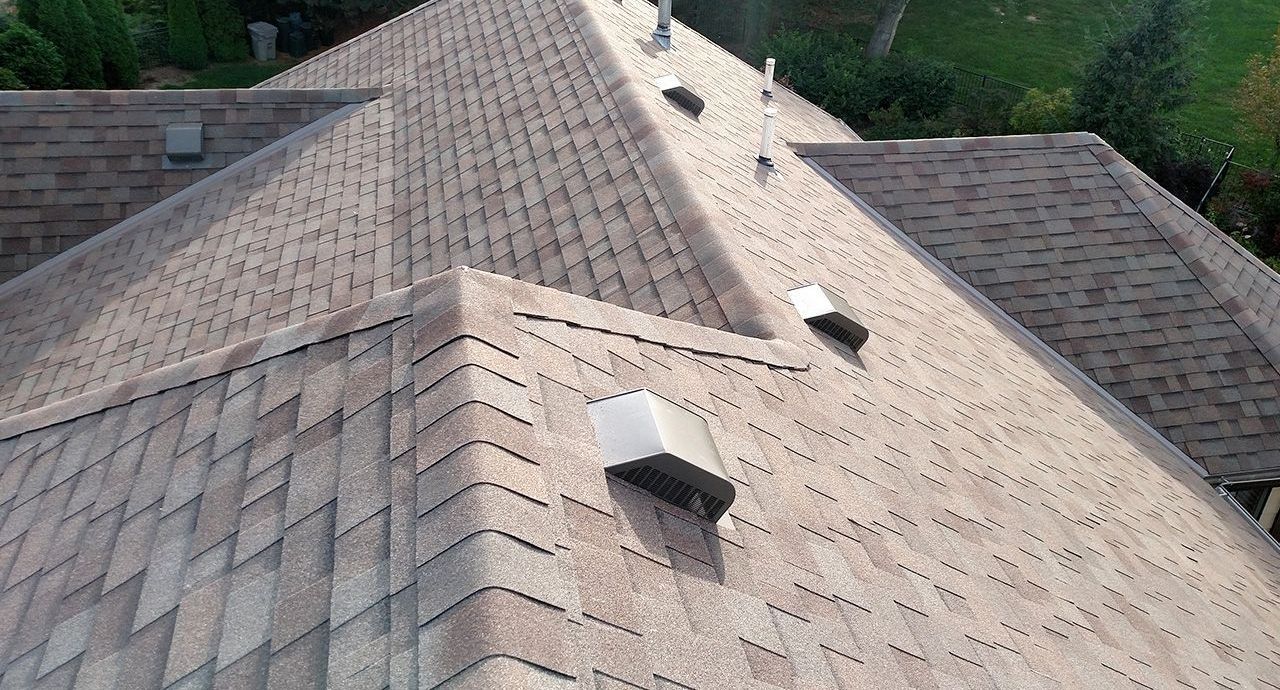
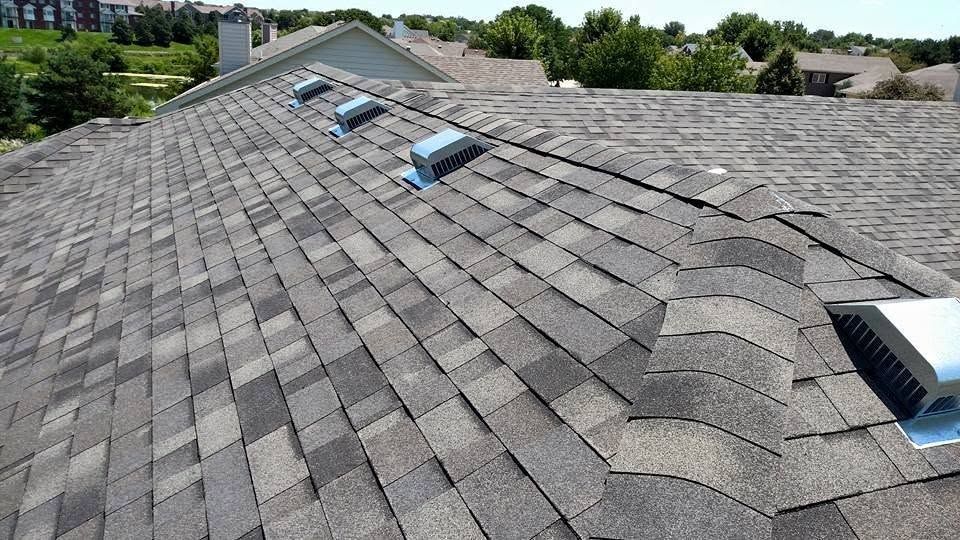
Some of the most common causes of storm-related leaks are typically associated with damage around any flashing or penetration. So, start by examining your roof flashing for any gaps and, while you’re at it, look for cracks in the rubber boots of your rooftop vents. Be on the lookout for any missing shingles, raised or curled shingles, cracked shingles, or shingles with holes in them. However, wait until things have dried off before you climb up onto the roof – the last thing we want is you slipping and falling!
If everything on the roof seems in order, your next area to inspect will be the attic (presuming you have one). The next time it rains, head on up there with a flashlight and look for any trickles of water – tracing the trickle back to the source can help you determine where the water is actually entering through the roof. If you’re not wanting to wait for the next rain, have someone spray water onto your roof with a hose while you’re in the attic looking for drips.
As we stated previously, sometimes finding the leak isn’t as easy as one might think. For instance, water spots that appear during the winter could be due to snow blowing in through gable vents and collecting in the attic. That’s why many times it’s just easier to call the pros!
Here at Golden Rule Contracting – located in Lincoln and Beaver Crossing, Nebraska- we KNOW roofs. So, if you’re having problems with leaks, if you’ve experienced damage, or if it’s just simply time for a new roof, please don’t hesitate to give us a call.
After all, we’re here to help!
RECENT POSTS